No products in the cart.
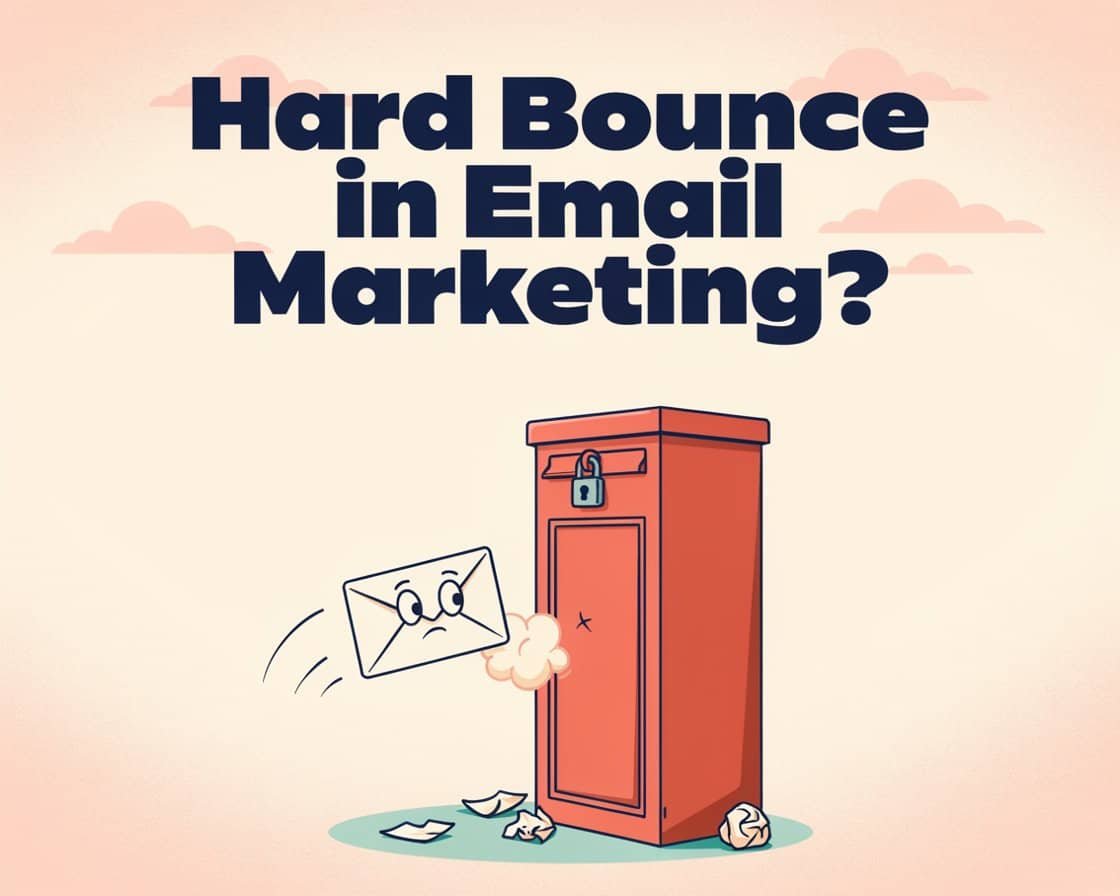
A hard bounce happens when an email can’t be delivered for a permanent reason, most often because the address doesn’t exist anymore, or never did. Unlike a slow server or a full inbox, which might sort itself out later, a hard bounce is final. That email is never going to land, no matter how many times you try sending it.
Think of it like mailing a letter to a house that’s been torn down. The postal service can’t deliver it no matter how many times you try, because the address simply isn’t valid anymore. A hard bounce works the same way in your inbox; it’s a dead end, not a delay.
What Causes a Hard Bounce?
Hard bounces almost always come down to one of three simple problems.
Invalid email addressesThis is the most common cause by far. Maybe the address was mistyped during sign-up, or maybe the domain behind it — everything after the @ symbol- no longer exists.
Domain issues Sometimes the domain itself was never set up correctly to receive email, or it was active once but has since been shut down or expired.
Non-existent recipients. People change jobs, close old accounts, or move on from a company. If nobody updates the contact info on your list, you end up emailing an address that’s no longer in use.

Why Hard Bounces Matter
Picture hosting a party and sending out 100 invitations. If 10 come back marked “address unknown,” that’s a sign your guest list needs some cleaning up. Hard bounces work the same way for your email list, a handful might seem harmless, but they add up fast, and here’s why that matters:
Sender reputation: Email providers keep a close eye on your bounce rate. Too many hard bounces make you look like a spammer in their eyes, which can get your emails blocked or filtered before real subscribers ever see them.
Skewed engagement metrics. If a chunk of your list is made up of dead addresses, your open and click rates look worse than they should. That makes it harder to judge how your campaigns are actually performing.
Wasted time and money. Sending to addresses that will never receive anything is effort spent for nothing. Cleaning up hard bounces means your budget and time go toward people who can actually read what you send.
How to Spot a Hard Bounce
To spot an email hard bounce, check your email campaign’s delivery report for “5xx” SMTP status codes, which indicate a permanent delivery failure. Look for error messages stating the address does not exist, the domain is invalid, or the account is disabled.
Here are the primary ways to spot and handle hard bounces:
- Check the SMTP Error Code: Hard bounces are always paired with a server reply code that starts with 5 (e.g.,
5.1.1or550 No such user). Conversely, soft bounces (temporary issues like a full inbox) use codes starting with 4. - Review Platform Reports: Navigate to the “Reports,” “Analytics,” or “Recipients” tab in your email marketing tool (e.g., Mailchimp or HubSpot) to view specific bounce reasons attached to each contact.
- Automate Suppression: Most modern Email Service Providers (ESPs) will automatically flag hard bounces and suppress them so you don’t keep sending to them.
- Verify List Health: If you send to unverified lists, you can use third-party email validation tools like NeverBounce or ZeroBounce to clean out invalid addresses before sending.
Hard Bounce vs. Soft Bounce
| Factor | Hard Bounce | Soft Bounce |
|---|---|---|
| Reason | Permanent — invalid or non-existent address | Temporary, full inbox, server issue |
| Will it resolve itself? | No, never | Often, yes |
| What to do | Remove from your list immediately | Retry, but monitor if it keeps happening |
How to Manage and Prevent Hard Bounces
1. Keep up with regular list maintenance. Make cleaning your list a habit rather than an afterthought. Remove hard bounces as soon as you spot them, and schedule a fuller list clean-up every month.
2. Use double opt-in. Asking new subscribers to confirm their email address before they’re added catches typos and fake entries early, long before they ever turn into a hard bounce.
3. Track your bounce rate over time. Keep an eye on your bounce numbers after every campaign. A sudden spike is usually a sign something’s off with your list or how it was collected.
4. Segment your audience. Sending more relevant, targeted emails to smaller groups tends to keep people engaged and their contact details up to date, which lowers your bounce risk over time.
5. Keep contact information current. People change roles and email addresses more often than you’d think. Periodically reconfirming details with your subscribers helps catch outdated addresses before they bounce.
A Few More Ways to Keep Bounces Low
Build a real relationship with subscribers. People who feel like they’re getting personalized, relevant content are less likely to abandon an inbox or ignore an account, and less likely to quietly turn into a hard bounce down the line.
Re-verify inactive contacts. Business contact details change constantly. Periodically reaching out to inactive subscribers to check they still want to hear from you and that their address still works helps you catch problems before they show up as bounces.
Frequently Asked Questions
Can a hard-bounced address ever become valid again?
Occasionally, yes, a domain can be rebuilt, or an address reactivated. But it’s rare, and safest to treat a hard bounce as permanent unless you have a clear reason to believe otherwise.
What’s a healthy hard bounce rate?
Most senders aim to stay under 5%. Anything higher is usually a sign your list needs cleaning or your sign-up process needs tightening.
Should I ever retry a hard-bounced email?
No. Since the failure is permanent, retrying wastes sending resources and can hurt your sender reputation. Remove the address instead.
Bottom line:
hard bounce is a dead-end email address, permanent, not temporary, and it’s a signal you should act on right away. Left unchecked, hard bounces quietly damage your sender reputation, distort your real performance numbers, and waste the time and money you’re putting into every campaign.
The fix isn’t complicated: clean your list regularly, confirm new subscribers with a double opt-in, and remove hard bounces the moment they show up. Do that consistently, and your emails will keep reaching the people who are actually there to read them.