
No products in the cart.
What is Email List Segmentation?
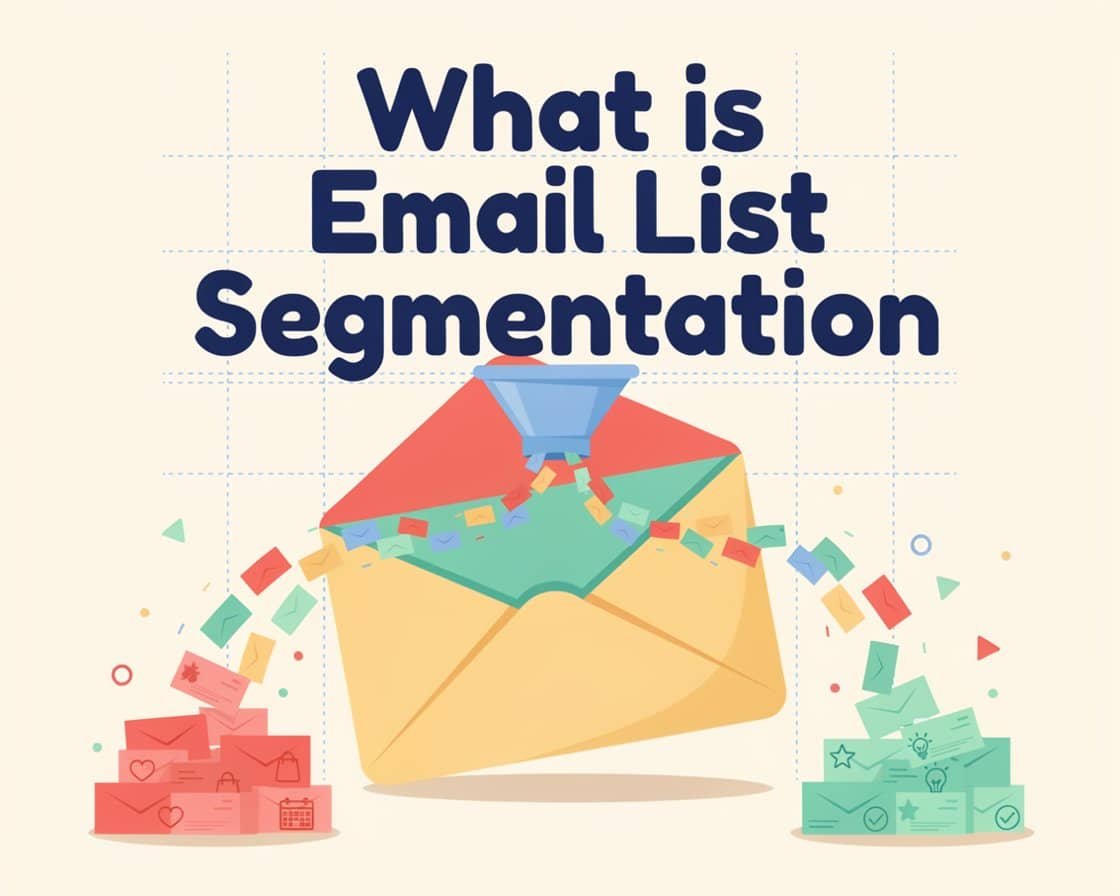
Email list segmentation is the process of dividing your email subscribers into smaller groups based on shared characteristics such as location, industry, interests, purchase history, job role, company size, or engagement with previous campaigns. Instead of sending one generic email to your entire database, you create targeted campaigns that are more relevant to each audience segment.
For example, a first-time customer should receive a different message than a long-term customer who has made multiple purchases. Likewise, someone who regularly opens your emails may be ready for a sales offer, while an inactive subscriber may need a re-engagement campaign. By understanding where each subscriber is in their journey, you can send content that matches their needs and expectations.
Effective email list segmentation improves open rates, click-through rates, conversions, and customer satisfaction while reducing unsubscribes. It helps businesses deliver more personalized communication, build stronger relationships, and generate better results from every email campaign.
Why Email List Segmentation Matters?
Better Deliverability
Email providers like Gmail and Outlook monitor how recipients interact with your emails. When subscribers regularly open, click, and reply to your messages, it signals that your emails are valuable and trustworthy. By sending relevant content to well-targeted segments, you improve engagement rates, reduce spam complaints, and increase the chances of your emails landing in the inbox instead of the spam folder.
More Relevant Targeting
Every subscriber has different needs, interests, and buying intentions. A segmented email list allows you to create messages tailored to specific groups instead of sending the same email to everyone. Whether you’re targeting new subscribers, repeat customers, or prospects from a particular industry or location, segmentation ensures each audience receives content that feels relevant and useful.
Higher Conversion Rates
People are more likely to take action when an email speaks directly to their interests. Segmentation makes personalization possible by allowing you to send targeted product recommendations, special offers, educational content, or follow-up emails based on subscriber behavior. The more relevant your message is, the higher your chances of generating clicks, leads, and sales.
Fewer Unsubscribes
One of the biggest reasons people unsubscribe is because they receive emails that don’t match their interests. Segmentation helps solve this problem by delivering content subscribers actually want to receive. When emails are useful and timely, people stay engaged with your brand, leading to a healthier email list and stronger long-term customer relationships.
Better Use of Time and Budget
Sending every campaign to your entire database often wastes resources and reduces campaign performance. With segmentation, you can focus your marketing efforts on the audiences most likely to respond. This leads to better campaign efficiency, improved return on investment (ROI), and more effective use of your marketing budget while avoiding unnecessary email sends.
Types of Email List Segmentation
Demographic Segmentation
Demographic segmentation organizes subscribers based on personal characteristics such as age, gender, income level, education, occupation, or family status. This method is useful when different groups have different needs or buying behaviors. For example, a clothing retailer may promote business attire to professionals while sending casual fashion offers to students. Understanding these demographic differences helps businesses create more relevant campaigns that resonate with each audience.
Behavioral Segmentation
Behavioral segmentation groups subscribers according to how they interact with your emails, website, or products. This includes email opens, link clicks, pages visited, products viewed, downloads, abandoned carts, and previous purchases. Since these actions show real interest, marketers can send timely follow-up emails, personalized recommendations, or reminders that match each subscriber’s behavior, leading to higher engagement and better conversion rates.
Geographic Segmentation
Geographic segmentation divides subscribers based on their physical location, such as country, state, city, or region. It also includes factors like language, climate, and time zone. This allows businesses to send emails at the best local time, promote location-specific products or services, announce local events, and create offers that are relevant to a subscriber’s region. For global businesses, geographic segmentation helps deliver a more personalized customer experience.
Industry or Job Title Segmentation
For B2B email marketing, segmenting contacts by industry, company type, or job title is highly effective. A CEO has different priorities than an HR Manager, and a healthcare company has different challenges than a software business. By grouping contacts based on their profession or industry, businesses can create highly relevant content, case studies, and offers that address the specific needs of each audience, resulting in stronger engagement and higher-quality leads.
Engagement-Level Segmentation
Not every subscriber interacts with emails in the same way. Engagement-level segmentation separates your audience into active, moderately active, and inactive subscribers based on metrics such as opens, clicks, replies, and website visits. Highly engaged subscribers can receive exclusive offers, early product launches, or loyalty rewards, while inactive contacts can enter re-engagement campaigns designed to regain their interest before they eventually become inactive permanently.
Purchase History Segmentation
Purchase history segmentation groups customers based on what they have purchased, how often they buy, how much they spend, and when they last made a purchase. Businesses commonly create segments for first-time buyers, repeat customers, loyal customers, high-value clients, and inactive customers. This allows marketers to recommend related products, send personalized discounts, encourage repeat purchases, and reward loyal customers with exclusive promotions. Using purchase history helps maximize customer lifetime value while improving the relevance of every campaign.
How to Get Started with Email List Segmentation?
1. Understand Your Audience
The foundation of successful email segmentation is knowing who your subscribers are and what they need. Collect data through signup forms, customer surveys, purchase history, website activity, and previous email engagement. The more accurate your data is, the easier it becomes to create meaningful segments that improve campaign performance.
2. Create Buyer Personas
Develop a few customer profiles that represent your most common audience types. These personas may be based on industry, job title, buying behavior, company size, interests, or purchasing goals. For example, a B2B software company might have separate personas for startup founders, marketing managers, and enterprise executives. These profiles help you create content and offers that match each audience’s specific needs.
3. Start with Simple Segments
You don’t need dozens of audience segments to see results. Begin with one or two categories that have the biggest impact, such as engagement level, geographic location, customer status, or purchase history. As you collect more data and understand your audience better, you can gradually create more advanced segments without making your campaigns difficult to manage.
4. Personalize with Dynamic Content
Modern email marketing platforms allow you to display different content blocks based on a subscriber’s segment. Instead of creating multiple campaigns, you can send one email that automatically changes product recommendations, offers, images, or calls-to-action for each audience group. This saves time while delivering a more personalized experience to every subscriber.
5. Measure, Test, and Improve
Email segmentation is an ongoing process, not a one-time task. Monitor key performance metrics such as open rates, click-through rates, conversions, unsubscribe rates, and revenue generated by each segment. Run A/B tests on subject lines, content, and offers to identify what works best. Use these insights to refine your segments and improve future campaigns continuously.
Best Practices for Effective Email Segmentation
To achieve the best results, keep your subscriber data accurate and regularly remove outdated or inactive contacts. Avoid creating too many small segments that become difficult to manage. Focus on collecting first-party data through your website, forms, and customer interactions, and always respect subscriber preferences and privacy regulations. Review your segmentation strategy regularly to ensure it continues to match changing customer behavior and business goals.
Bottom Line
Email list segmentation transforms mass email marketing into personalized communication that delivers better results. Instead of sending the same message to every subscriber, segmentation helps you deliver the right content to the right audience at the right time. Whether you segment by demographics, behavior, location, industry, engagement, or purchase history, the objective remains the same: increase relevance for every recipient.
Businesses that invest in email segmentation typically see higher open rates, stronger engagement, improved click-through rates, more conversions, and fewer unsubscribes. Start with a few simple segments, monitor your campaign performance, and continue refining your strategy as your audience grows. Over time, effective segmentation becomes one of the most valuable tools for building stronger customer relationships and maximizing the return on every email campaign.


4 Comments